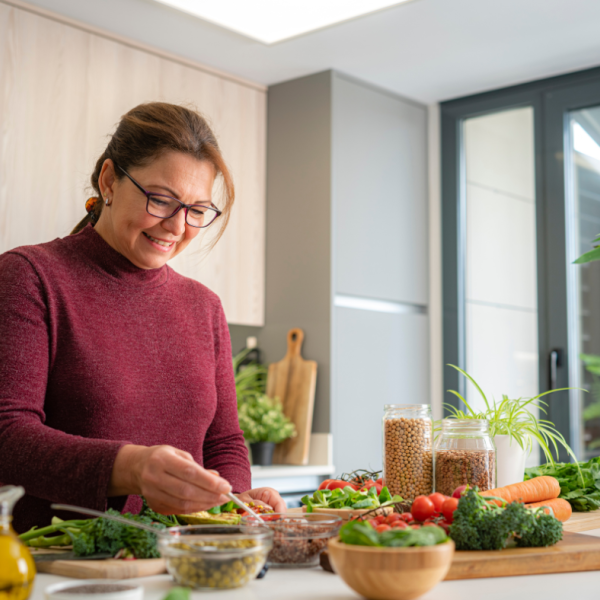
Healthy Comfort Food, Without the Food Coma
There’s a reason we keep coming back to comfort food.
It’s not just about taste.
It’s the bowl of pasta that reminds you of childhood. The casserole your family asks for every autumn. The warm soup that somehow makes a stressful day feel a little easier.
Comfort food isn't really about food at all. It's about feeling at home.
The challenge is that many traditional comfort foods are loaded with heavy ingredients that can leave us feeling sluggish afterward. And while there's nothing wrong with occasional indulgence, most families want meals that are both comforting and nourishing.
The good news? You don't have to choose between the two.
Why We Crave Comfort Food
Scientists have long studied why certain foods make us feel good.
Part of the answer is familiarity. Familiar foods create a sense of safety and predictability, which can be especially comforting during stressful periods. According to research published by the National Institutes of Health, food choices are often strongly connected to emotions, memories, and social experiences.
That's why comfort food tends to look different for every family.
For some, it's baked pasta.
For others, it's chicken soup, shepherd's pie, or a simple rice dish shared around the table.
What they all have in common is warmth, familiarity, and connection.
Small Changes Make a Big Difference
One misconception about healthy comfort food is that it requires completely reinventing family favorites.
In reality, the best changes are often the smallest ones.
A few examples:
- Use lean ground turkey or chicken instead of higher-fat processed meats.
- Add extra vegetables to pasta sauces, stews, and casseroles.
- Roast or bake foods instead of frying them.
- Replace part of the cream with Greek yogurt in certain recipes.
- Use beans or lentils to add protein and fiber.
These simple swaps allow meals to keep their familiar flavor while improving their nutritional value.
According to the American Heart Association, replacing saturated fats with healthier alternatives and increasing vegetable intake can support long-term heart health without sacrificing enjoyment.
The Secret Is Balance, Not Perfection
One thing I've learned from cooking for a family is that nobody wants a dinner that feels like a nutrition lesson.
People want food that tastes good.
That's why the easiest approach is often the simplest:
- A source of protein
- Vegetables
- A satisfying carbohydrate
Think roasted chicken with potatoes and green beans.
Or a hearty vegetable and lentil soup with crusty bread.
Or baked pasta with extra vegetables hidden inside the sauce.
Balanced meals tend to feel both comforting and satisfying without leaving everyone overly full.
Cozy Foods That Naturally Feel Nourishing
Some ingredients seem made for comfort food.
- Potatoes.
- Rice.
- Beans.
- Pasta.
- Seasonal vegetables.
- Slow-cooked soups and stews.
These foods aren't trendy, but they're reliable. They create meals that feel grounding, affordable, and family-friendly.
The Mediterranean diet, consistently ranked among the healthiest eating patterns in the world, uses many of these same ingredients as staples, emphasizing vegetables, legumes, whole grains, and healthy fats while still focusing on enjoyment and shared meals.
Make Comfort Food Part of Real Life
The biggest mistake many families make is saving comfort food for special occasions.
In reality, comfort food works best when it becomes part of a realistic weekly routine.
A simple soup on Monday.
A one-pan chicken dinner on Wednesday.
A family pasta night on Friday.
Having a few reliable meals reduces decision fatigue and makes weeknights feel calmer.
And honestly, that's what most of us need more of.
The Best Part Isn't the Food
When I think about my favorite comfort meals, I rarely remember exactly what was on the plate.
I remember the conversations.
The laughter.
The feeling of finally sitting down after a busy day.
Research from Harvard's Nutrition Source highlights that regular family meals are associated with better nutrition, stronger family relationships, and positive emotional well-being for both adults and children.
Comfort food helps create those moments.
Not because it's perfect.
Because it brings people together.
Sources
- Harvard T.H. Chan School of Public Health – Family Meals: https://www.hsph.harvard.edu/nutritionsource/family-meals/
- American Heart Association – Healthy Eating Recommendations: https://www.heart.org
- National Institutes of Health – Food, Emotions and Eating Behavior: https://www.ncbi.nlm.nih.gov
- U.S. News – Mediterranean Diet Rankings: https://health.usnews.com
- Oldways Mediterranean Diet Resources: https://oldwayspt.org
About the author
Dessy Slavcheva
Digital marketing specialist, busy mother, and part of What to Eat? team - a mobile app designed to help busy families make everyday cooking simpler, faster, and less stressful. Passionate about practical solutions, real-life routines, and food that fits into modern life.